How to distinguish the quality of steel wire hose
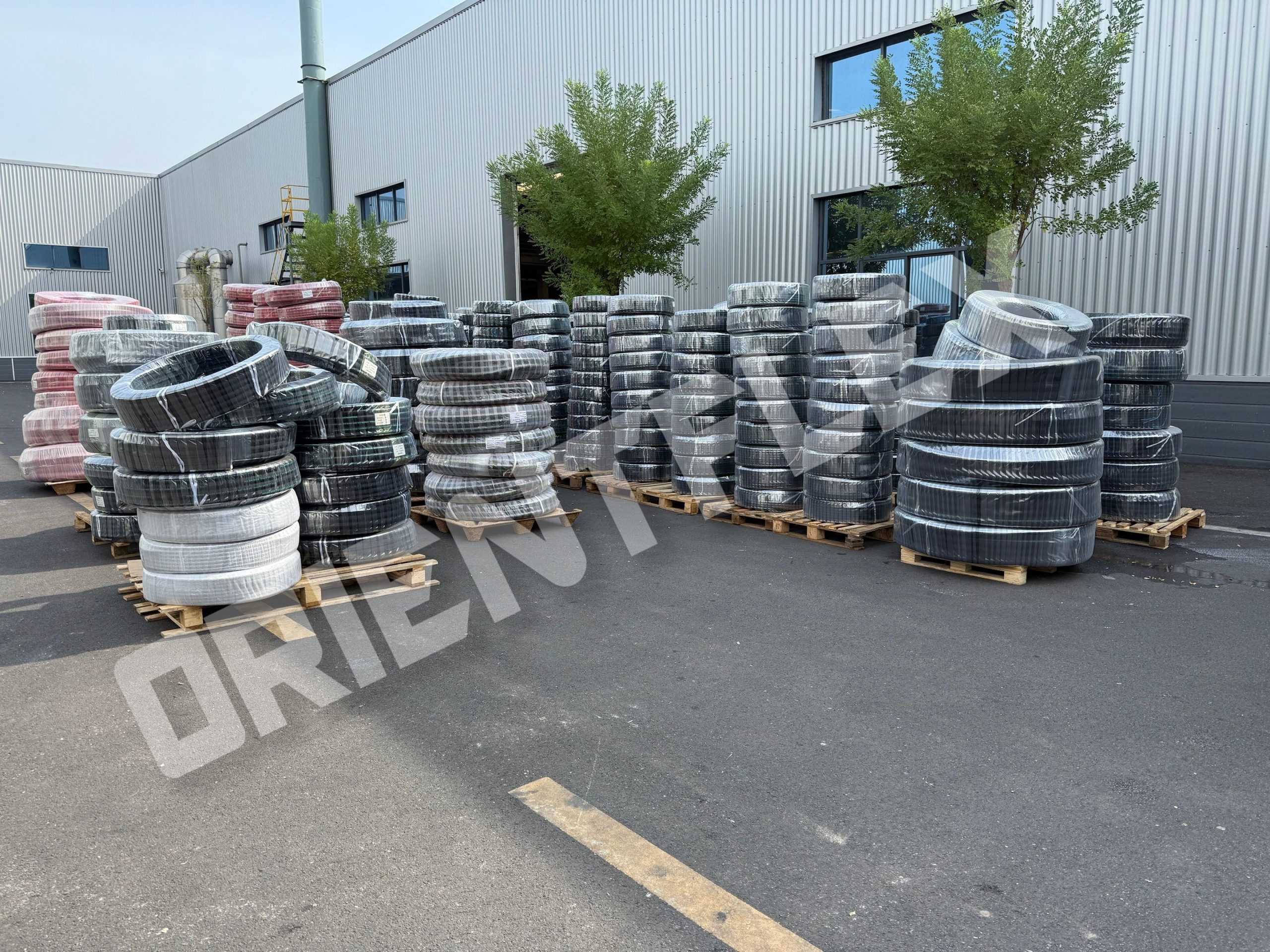
A consignment of hydraulic hoses from Orientflex has been loaded and shipped from Ningbo to Port Klang, Malaysia, as a full container load (FCL). The hoses are packed in capped, protected coils and loaded in a 40ft high-cube container to make the best use of space. Port-to-port transit is expected to take roughly 6 to 16 days depending on the origin port and vessel routing. The products are intended for the maintenance and repair of excavators, plantation machinery, cranes and factory equipment across Malaysia.
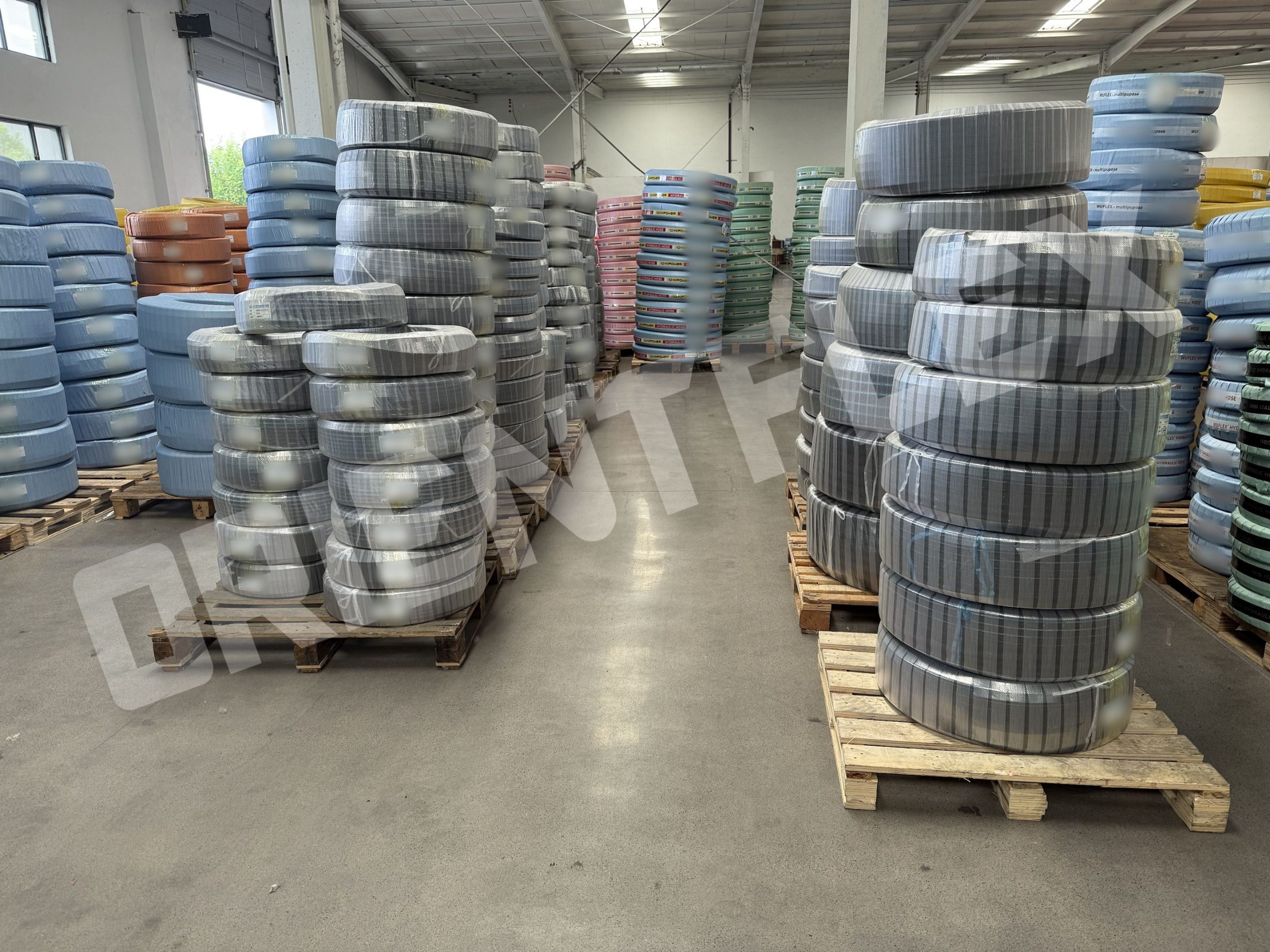 Shipment Overview
| Item | Details |
|---|---|
| Product | Hydraulic hoses (wire-braided and spiral-reinforced) with matching fittings |
| Typical specifications | SAE 100R1AT / 100R2AT, EN 853 1SN / 2SN, EN 856 4SP / 4SH (per order) |
| Destination port | Port Klang, Malaysia [or Penang / Tanjung Pelepas, per order] |
| Shipping method | Full container load (FCL) |
| Container type | [20GP / 40GP / 40HC, to be filled in per order] |
| Estimated transit | About 6-16 days, subject to vessel schedules |
| Documents included | Commercial invoice, packing list, bill of lading, certificate of origin, test reports |
Note: Specifications, quantities and container type should be filled in per the actual order. Transit times are general references and depend on carrier schedules.
Why Malaysia Is a Strong Market for Hydraulic Hoses
Malaysia’s economy relies on sectors where hydraulic equipment works hard every day. Palm oil plantations use tractors, loaders and harvesting machinery. Construction and infrastructure projects depend on excavators, cranes and piling rigs. The oil and gas, manufacturing, port and logistics sectors add further demand for forklifts, presses and handling equipment.
Hoses are consumable parts that wear out from pressure cycling, abrasion and heat, so demand for replacements is steady. Malaysian distributors and hose assembly shops often import hose by the coil and crimp assemblies locally to meet each customer’s length and fitting requirements. This makes consistent quality, clear labelling and reliable delivery especially important.
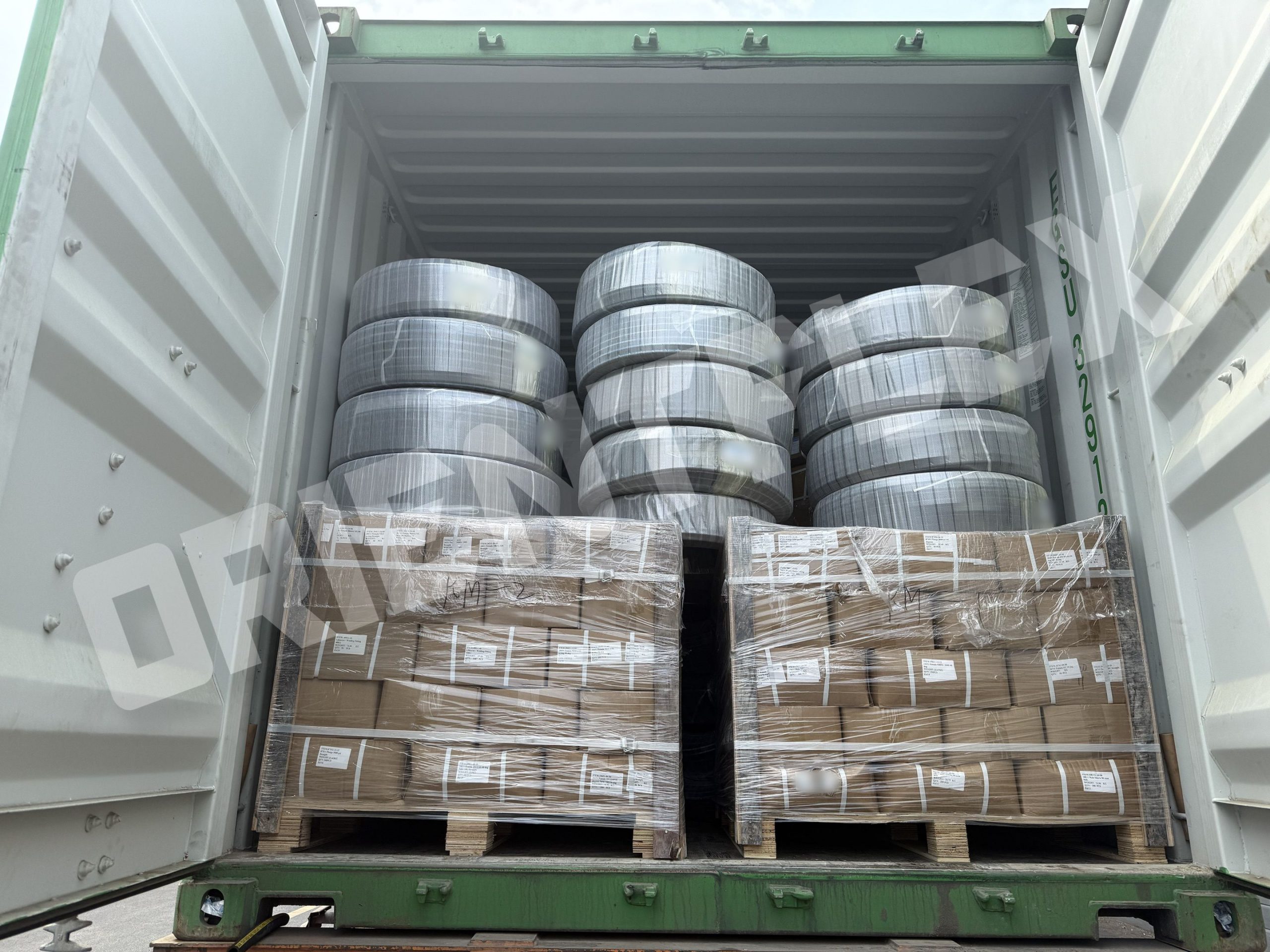 Inside the Loading: Three Priorities
1. Protecting the hose in transit
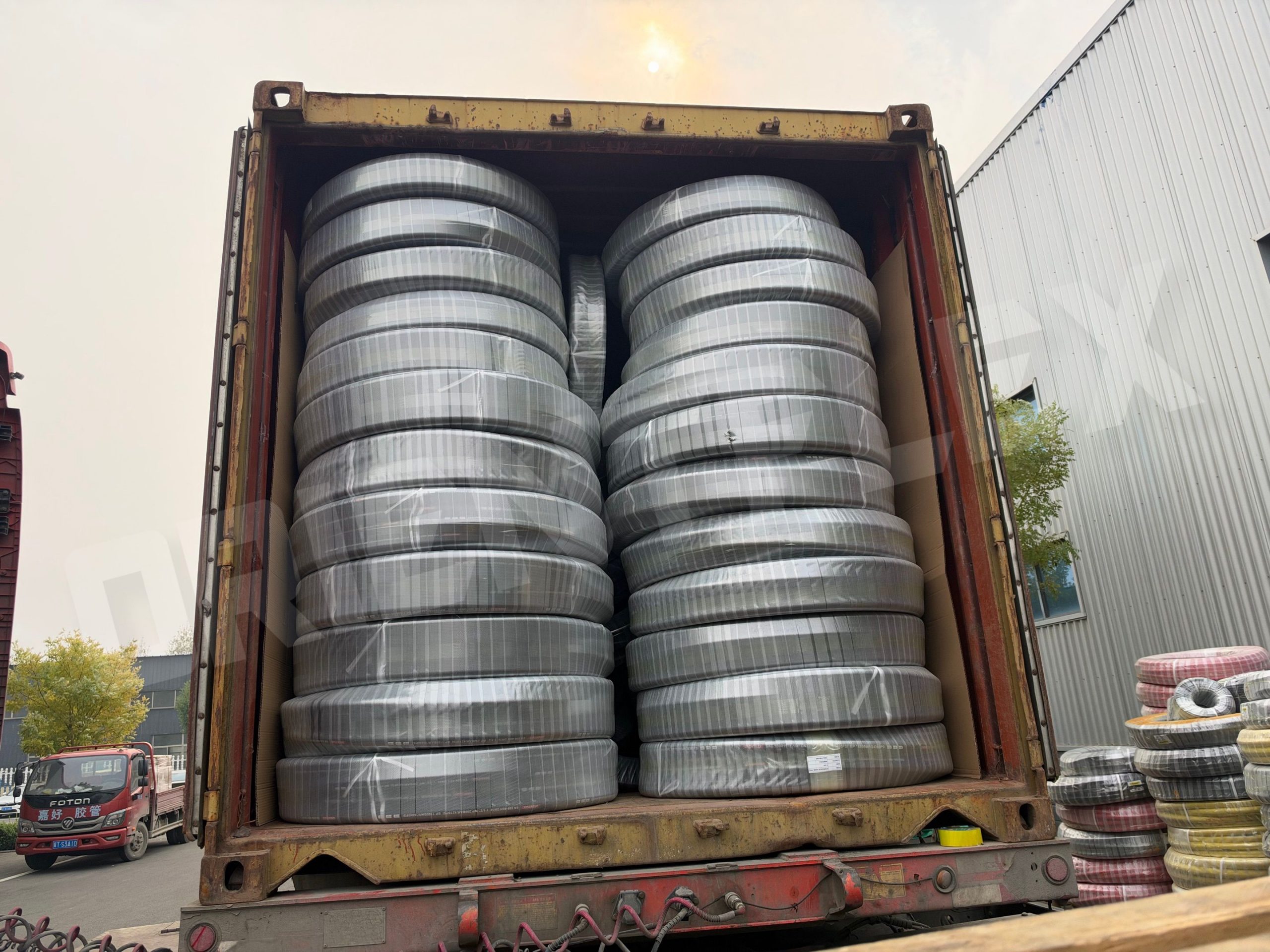
Hydraulic hose is light for its volume, so a container usually fills up before it reaches its weight limit. Coils were strapped tightly, wrapped to keep out dust and moisture, and fitted with end caps so dirt cannot enter the inner tube. Coils were stacked so lower layers would not be crushed, and heavier items such as fittings were placed low in the container.
2. Clear labelling for faster clearance and warehousing
Each coil and carton carries a label showing hose type, standard, size, working pressure, length and batch number, all checked against the packing list. Accurate labelling helps customs inspection go smoothly and lets the buyer’s warehouse sort stock quickly.
3. Managing humidity on the sea route
South China Sea routes are warm and humid, and condensation can form inside containers. Desiccants and moisture-barrier wrap were used to protect cartons, fittings and paperwork. Metal fittings were treated with rust-preventive coating or oil before packing.
Malaysia Import Procedure: Key Points
Imports into Malaysia are declared to the Royal Malaysian Customs Department, normally through a licensed forwarding or customs agent. Importers should prepare the following in advance:
- Commercial invoice
- Packing list with weights and dimensions
- Bill of lading or sea waybill
- Certificate of origin (for example Form E under the ASEAN-China Free Trade Area, where eligible, or an RCEP origin document)
- Product test reports and material certificates
- Fumigation or heat-treatment certificate if solid wood packaging is used
Duty rates depend on the tariff classification and the origin document, and imported goods may also be subject to sales tax. Rates and rules change from time to time, so confirm the current figures and any product-specific requirements with your customs agent before ordering. Free-trade origin documents can reduce duty, but only if they are correct and presented on time. Also check the free time allowed by the shipping line, since late pickup leads to demurrage and detention charges.
Standards Malaysian Buyers Expect
Buyers commonly specify hoses built to SAE J517 (100R series), EN 853 and EN 856, and increasingly ISO 18752 for performance-classified hose. Typical requests include:
- Burst-pressure and impulse test reports
- Material and rubber compound information
- ISO 9001 quality management certification
- Batch traceability marked on the hose layline
Plantation and oil and gas customers often ask for this documentation during supplier approval, so having it ready shortens the sales cycle.
Choosing Incoterms
- FOB (China port): The buyer arranges freight and insurance, which suits importers with a preferred forwarder.
- CFR / CIF (Port Klang): The supplier books main freight, which is easier for first-time buyers, though destination charges are paid separately.
- EXW: Gives the buyer full control but requires arranging export clearance in China, so it is rarely practical for new importers.
Cargo insurance is strongly recommended, as hydraulic hose orders can carry significant value.
 FAQ
How long does it take to ship hydraulic hose from China to Malaysia?
Sea freight typically takes about 6 to 16 days port to port. South China ports such as Shenzhen and Guangzhou are at the shorter end, while northern ports such as Qingdao or Tianjin take longer.
Which Malaysian port should I use?
Port Klang suits most cargo for the Klang Valley and central region. Penang serves the north, and Tanjung Pelepas suits the south and Johor.
Which container is best for hydraulic hose?
A 40ft high-cube container is often the best choice for large coil orders because hose is bulky and light. A 20ft container works for smaller orders or loads with many heavy fittings.
Can I reduce import duty?
Possibly. A valid certificate of origin under a free trade agreement may qualify the goods for a reduced rate. Your customs agent can confirm eligibility.
Do I need a customs agent?
In practice, yes. A licensed agent files the declaration, pays duties and taxes, and arranges release and delivery.
Conclusion
Delivering hydraulic hoses to Malaysia without problems comes down to protective packing, accurate labelling, the right container and complete documents.Orientflex will keep refining its export shipping process to give Malaysian customers consistent quality and dependable delivery.
For export quotations, container loading plans and document checklists for hydraulic hoses and fittings, please contact our international sales team.
Related posts


