sand blasting hose suppliers

What are the safety precautions for sand blasting

1. Prepare the Sand Blast Hose and Equipment First Start by inspecting the sand blast hose for cracks, fraying, or loose couplings. Replace damaged hoses immediately and never use patched ones. Match the hose material to your abrasive media to prevent premature failure. Additionally, check the blast gun and pressure regulator for proper function. 2.…

Details
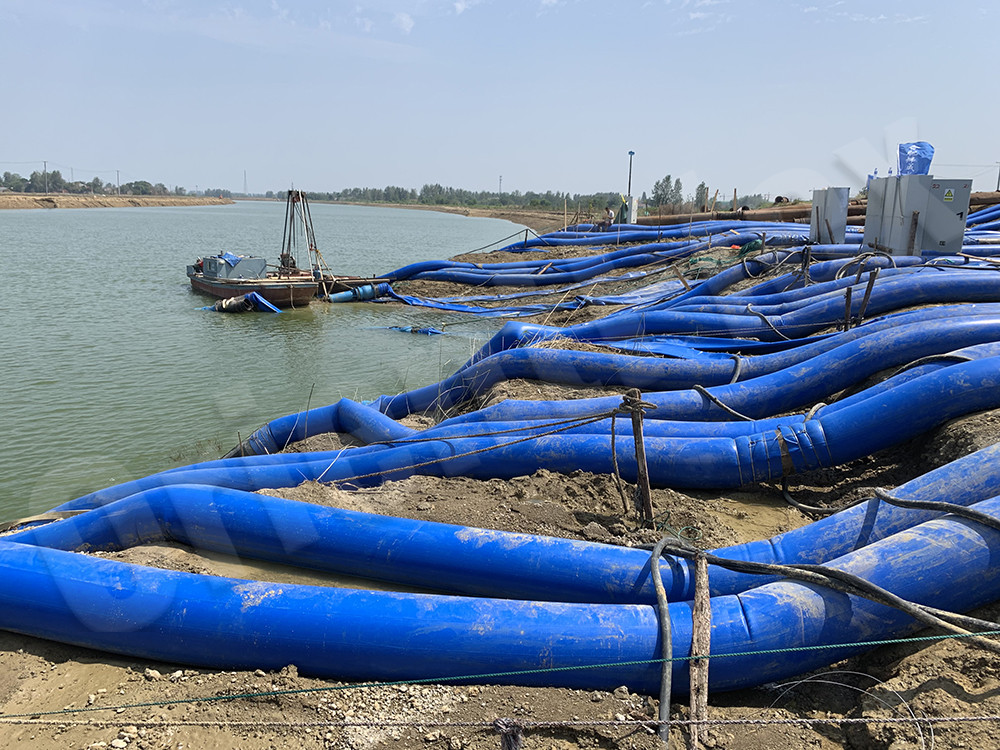
large diameter layflat hose

Some common problems with layflat hose

1. Leaks at Fittings or Seams PVC layflat hose often leaks at connections or bonded seams. This happens when fittings are loose or the hose’s inner layer wears thin. Tighten couplings with a wrench to fix minor leaks. For seam leaks, inspect the PVC layflat hose. If the damage is small, use a specialized repair…

Details
food grade hose pipe

What Kind of Hose Is Safe for Drinking Water

Choosing the right hose for drinking water is very important. Not every flexible hose is safe for potable water. Some hoses release chemicals and odors. Therefore, you must select a hose designed for drinking water. Why Ordinary Hoses Are Not Safe Many standard hoses are made for industrial or garden use. These flexible hoses may…

Details

What Kind of Hose Can Be Used for Natural Gas

Choosing the right hose for natural gas is critical for safety. Natural gas is flammable and requires specialized components. Therefore, only approved flexible hose types should be used. The correct choice reduces leak and fire risks. Why Ordinary Hoses Are Unsafe Standard hoses are not designed for natural gas. Many flexible hose products cannot resist…

Details
fuel transfer hose

What Is the Best Fuel Hose for Gasoline

Choosing the right fuel hose for gasoline is critical for safety and performance. Gasoline is highly flammable and chemically aggressive. Therefore, the fuel hose must resist fuel permeation, pressure, and heat. Using the correct hose reduces leaks and fire risks. Why Gasoline Requires a Special Fuel Hose Gasoline can degrade many hose materials. Ordinary rubber…

Details
Chemical Rubber Hose

What Is Chemical Hose Made From

A chemical hose is designed to transfer aggressive chemicals safely. It must resist corrosion, pressure, and temperature changes. Therefore, manufacturers use specialized materials to build each chemical hose. Understanding these materials helps users choose the right hose for their application. Inner Tube Materials of a Chemical Hose The inner tube plays the most important role…

Details